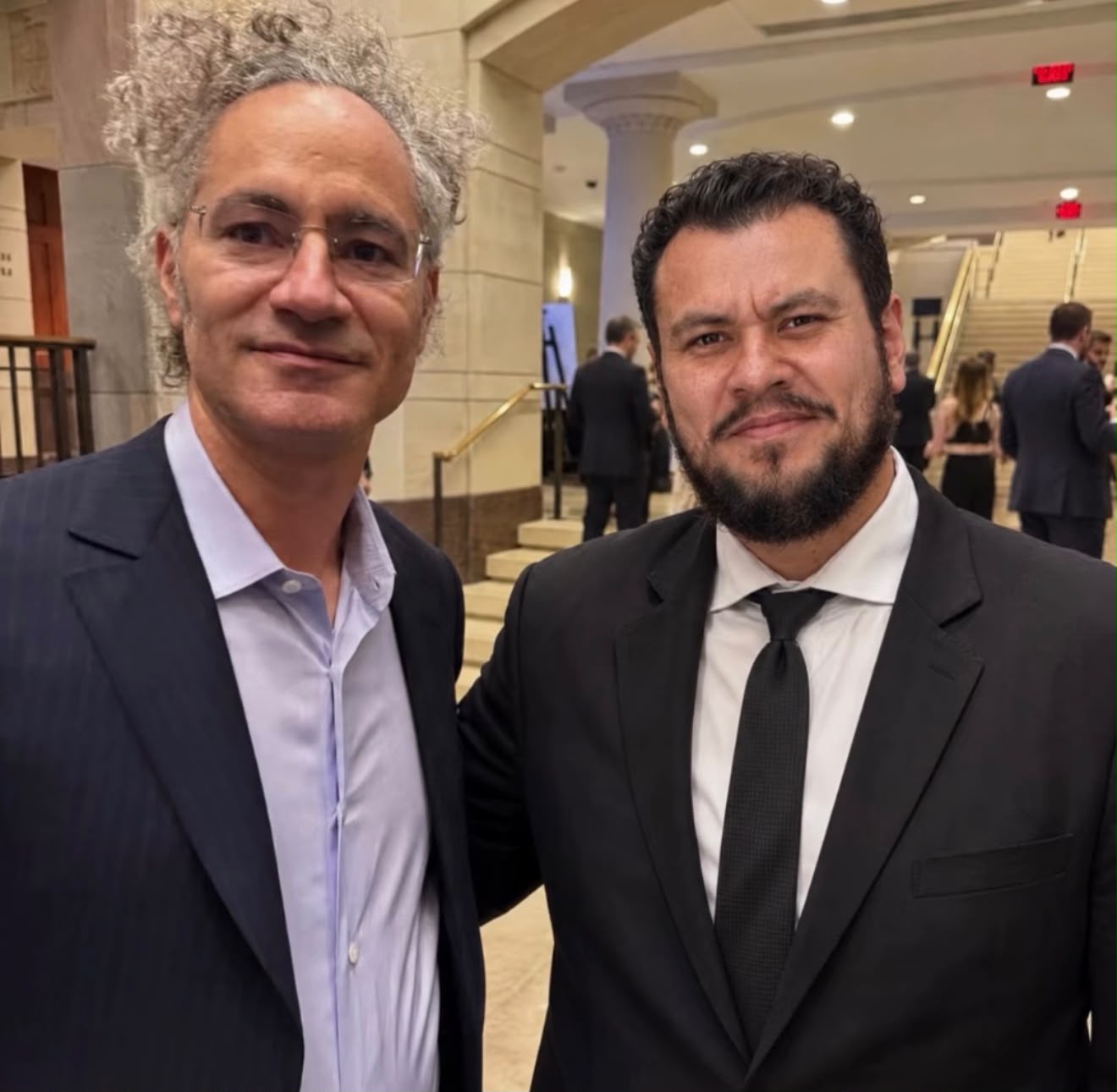
I think about how much attention we hand over to other people’s judgment. Hair, clothes and expressions become instant assessments. I would rather spend that attention on work worth doing and on the consequences for which I must answer.
The comb as a metaphor
I still care about showing consideration for others. The comb represents the constant search for approval. How many decisions do we postpone because someone might dislike how we look? How many ideas do we leave undefended to fit expectations we never chose?
I want to present myself respectfully and listen to useful criticism. I also want to notice when I am trying to manage every impression I make. That effort has no natural stopping point. Leadership requires attention for problems that remain after the photograph has been taken and the audience has moved on.
Alex Karp and a difficult question
Reducing Alex Karp to his hair, or Palantir to a controversy, avoids an important discussion. The company develops software used in defense. Karp expressed support for work protecting the public in the company’s DGSI announcement. That is his stated public position.
I believe technology that helps confront serious threats and protect people has moral value. I respect the willingness to undertake that work despite criticism. That belief requires examining purposes, constraints and consequences in each application. It does not establish that every operation prevents harm or avoids unintended consequences.
My conscience stays involved
Worrying less about appearances requires clearer standards of my own. Who could be harmed? What evidence supports a choice? Who can stop it? What would change my mind? I need answers that remain meaningful when results challenge my expectations.
I distinguish remarks about image from objections about consequences. I can let a joke about my hair pass. A supported concern about harm deserves investigation and, where necessary, correction. My peace of mind depends on taking that distinction seriously. Public approval cannot replace conscience, and conviction still needs scrutiny.
What I take into leadership
As a leader in technology and cybersecurity, I want to assess people through their reasoning, integrity and useful work. Familiar appearances can accompany poor decisions. An unconventional presence can accompany serious contributions. I need to understand the work before judging its worth.
In practice, I would hear a dissenting colleague, write down the criteria for a decision and examine the results. I want the courage to stand behind a responsible choice and the humility to acknowledge an error. This photograph records an encounter. These reflections are my own; they do not invent a conversation with Karp.
If the comb has become the main concern, perhaps it belongs on the table for a while. I want to pay better attention to what I do, who is affected and what I am prepared to put right.